
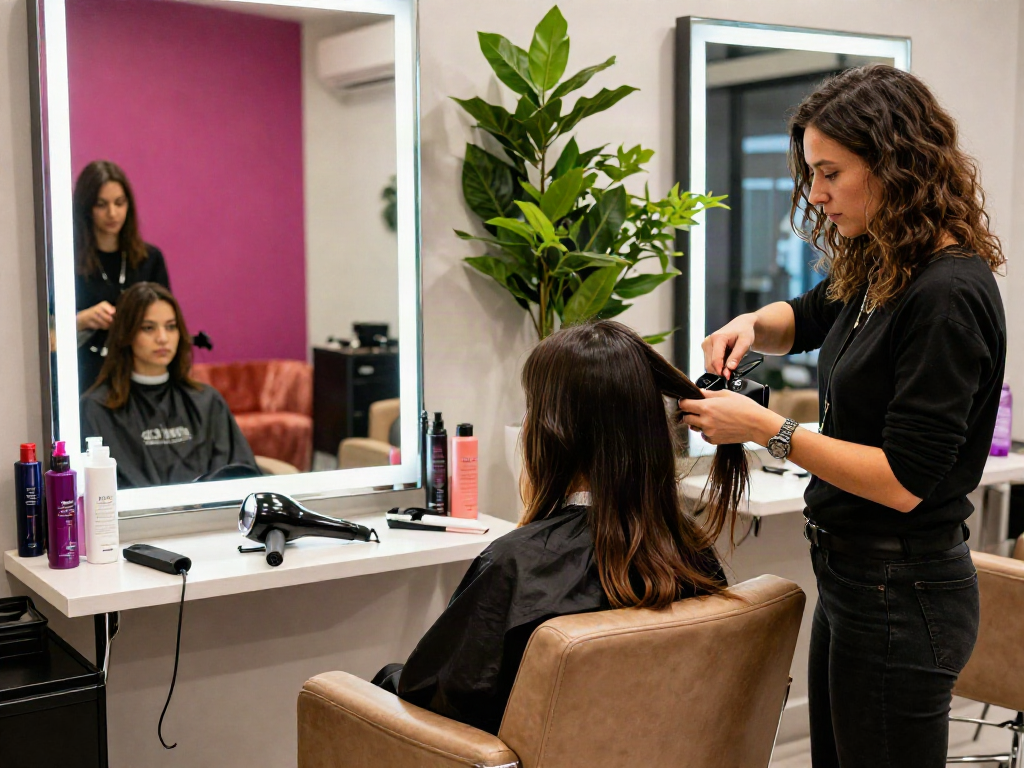
The Evolution of Hairdressing Techniques
The world of hairdressing has undergone significant transformations over the years, evolving from traditional techniques to innovative practices that cater to modern aesthetics and consumer preferences. This dynamic landscape has been shaped by emerging trends, technological advancements, and a growing emphasis on sustainability. As salons strive to remain competitive, understanding these changes is crucial for both professionals and consumers alike. When exploring options, https://carbonegroupparrucchieri.it/ provides comprehensive insights into the latest techniques and styles.
Emerging Trends in Hairstyling
One of the most exciting trends in hairstyling is the shift toward personalization. Clients increasingly seek hairstyles that reflect their individuality, making consultations an essential part of the hairstyling process. Techniques such as balayage and ombré have gained popularity due to their natural-looking results and ability to blend seamlessly with a client's hair color. Additionally, the rise of vibrant colors and unconventional styles reflects a cultural shift toward self-expression.
Moreover, the influence of social media platforms like Instagram and TikTok cannot be underestimated. Hairstylists are regularly inspired by viral trends, leading to the rapid adaptation of new styles in salons worldwide. The demand for content creation in salons has also increased, with many professionals showcasing their work online to attract new clients.
Innovative Tools and Technologies in Salons
Technological advancements have introduced a plethora of tools that have transformed the hairdressing industry. For instance, smart hairdryers equipped with sensors can adapt airflow and temperature according to hair type, minimizing damage and enhancing styling results. Furthermore, digital consultation tools allow clients to visualize potential hairstyles before making a commitment, creating an engaging and interactive experience.
In addition, the integration of augmented reality (AR) technology in salons is on the rise. Clients can use AR apps to try on different hairstyles and colors virtually, making informed decisions and increasing satisfaction with the final look.
Eco-Friendly Practices in the Beauty Sector
With rising awareness of environmental issues, many salons are adopting eco-friendly practices. This includes using sustainable products, minimizing waste, and implementing energy-efficient systems. Organic hair products, which are free from harmful chemicals, have gained traction, appealing to health-conscious consumers. The importance of sourcing ingredients responsibly also resonates with a growing segment of clients who value transparency in their beauty products.
Understanding Client Needs and Preferences
In today's competitive market, understanding client needs and preferences is paramount for hairdressers. As consumer expectations evolve, hair professionals must adapt their services to meet these new standards.
Shifts in Customer Expectations for Hair Services
Clients now expect more than just a haircut; they seek an experience that combines quality service with personalized attention. Many consumers prioritize salons that can offer customized treatments tailored to their specific hair type and styling preferences. Additionally, the desire for convenience has led to increased demand for flexible appointment scheduling, including after-hours services and quick in-and-out options for busy clients.
Personalization in Hairdressing Services
Personalization has become a key factor in hairdressing services. Salons that take the time to understand a client’s lifestyle, preferences, and hair challenges can create a more satisfying and effective service. This personalized approach can include everything from recommending specific products to suggesting styles that complement an individual's facial structure.
Building Long-Term Client Relationships
Establishing trust and rapport is essential for building long-term relationships with clients. Regular follow-up communications, loyalty programs, and referral incentives can encourage repeat business. Additionally, offering educational workshops on hair care can position salons as trusted authorities, further solidifying relationships with clients.
Challenges Facing the Hairdressing Industry
While the hairdressing industry is full of opportunities, it also faces several challenges that professionals must navigate strategically.
Employment Trends and Skill Shortages
The industry is experiencing a skills gap, with not enough trained professionals to meet the rising demand. Many salons struggle to find qualified stylists who are well-versed in contemporary techniques and technologies. This skill shortage is exacerbated by the rapid pace of change in the industry, with new trends requiring ongoing training and education for existing staff.
Adapting to Economic Changes Post-2026
As the economy continues to evolve, salons must remain agile to adapt to shifting consumer spending habits. Economic downturns can lead to reduced discretionary spending, which often impacts the beauty sector. Offering value-driven services and transparent pricing can help salons attract budget-conscious clients while retaining their existing customer base.
Addressing Health and Safety Standards in Salons
The COVID-19 pandemic underscored the importance of health and safety in salons. Professionals must stay updated on regulations and best practices to ensure client safety. This includes regular sanitation protocols, air quality measures, and vaccination requirements for staff. Communicating these practices to clients can enhance trust and encourage them to return.
Effective Marketing Strategies for Salons
In an industry as competitive as hairdressing, effective marketing strategies are crucial for attracting and retaining clients.
Leveraging Social Media for Engagement
Social media platforms present unique opportunities for salon marketing. By showcasing before-and-after transformations, sharing client testimonials, and participating in trending challenges, salons can boost their visibility and engagement. Consistent content creation can position a salon as a thought leader in the hairstyle community.
Creating Loyalty Programs to Retain Clients
Loyalty programs are an excellent way to incentivize repeat visits. Clients appreciate being rewarded for their loyalty, whether through discounts, exclusive offers, or complimentary add-on services. Implementing a points-based rewards system can encourage clients to choose your salon over competitors.
Implementing Online Booking Systems
In today’s fast-paced world, convenience is key. Offering an online booking system empowers clients to schedule appointments at their convenience, reducing the likelihood of cancellations and no-shows. Additionally, automated reminders can help ensure that clients remember their appointments, further increasing retention rates.
The Future of Hair Care Products
The future of hair care products is set to be defined by innovation, consumer awareness, and sustainability.
Trends in Natural and Organic Hair Products
With consumers becoming increasingly cautious about the ingredients in their hair products, the demand for natural and organic products continues to rise. Brands that prioritize transparency in sourcing and formulation will likely gain market share. This trend emphasizes the importance of maintaining ethical standards throughout the supply chain.
Technological Innovations in Hair Treatment
Future hair treatments will likely incorporate advanced technology such as artificial intelligence (AI) to analyze hair texture and recommend products tailored specifically to individual needs. These innovations can significantly enhance the effectiveness of hair care routines, ensuring optimal results for clients.
Consumer Awareness and Product Transparency
As consumers become more educated about hair care, they expect brands to be transparent regarding their product ingredients and manufacturing processes. Brands that allow consumers to understand how their products work and the benefits they offer will foster trust and customer loyalty.
How to Enhance Client Experiences?
Enhancing client experiences goes beyond the initial service. Salons can create a more inviting atmosphere with relaxing decor, refreshments, and attentive service. Personalized follow-ups after appointments can make clients feel valued and encourage them to return.
What Innovations Will Shape Hairdressing in 2026?
The integration of technology and personalized services will continue to shape the industry. Innovations such as AI-driven consultations and virtual reality try-ons are expected to become commonplace, making the hairdressing experience more interactive and efficient.
How to Stay Competitive in the Hairdressing Market?
To remain competitive, salons must continuously adapt to industry trends, invest in ongoing education for their staff, and prioritize customer feedback. Regularly evaluating service offerings and marketing strategies will ensure that salons stay ahead of the curve.
What Role Does Sustainability Play in Beauty?
Sustainability is becoming a vital component of the beauty industry, influencing consumer choices and brand loyalty. Salons that prioritize eco-friendly products and practices will not only appeal to environmentally-conscious clients but may also reduce operational costs in the long run.
What Skills Will Future Hairdressers Need?
The hairdressers of the future will need a blend of traditional skills and modern competencies, including proficiency in using digital tools and an understanding of the latest trends in hair care. Soft skills, such as effective communication and adaptability, will also be essential as client expectations continue to evolve.
How to Attract and Retain a Diverse Clientele?
Salons must strive to create an inclusive environment that welcomes clients from all backgrounds. This can be achieved by offering diverse services that cater to varied hair types and styles, as well as engaging in community outreach to build relationships with different demographic groups.
What Marketing Strategies Work Best for Salons?
Digital marketing strategies, such as influencer partnerships, targeted advertisements, and community involvement, can significantly enhance a salon’s outreach efforts. Building a strong brand identity and engaging with clients through multiple channels will help ensure long-term success.